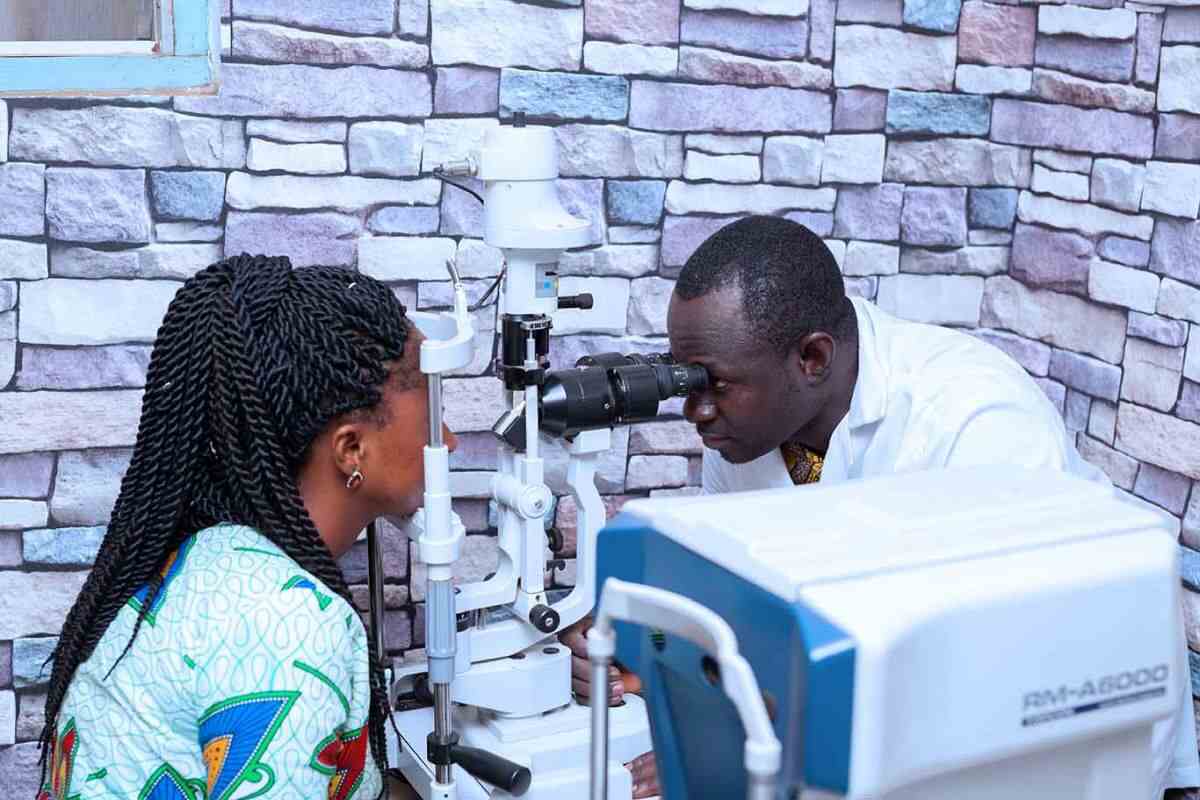
Globally, over 2.2 billion people suffer from vision impairments affecting their ability to see near or far objects, with half of these cases being preventable or yet to be addressed. Common causes include refractive errors, cataracts, diabetic retinopathy, glaucoma, and age-related macular degeneration. Vision loss is not only a personal health issue but also imposes a significant economic burden, costing approximately US$ 411 billion in lost productivity annually.
Leading Causes and Impact
Refractive errors and cataracts dominate as primary reasons for vision impairment, but other conditions like glaucoma and macular degeneration are prevalent, particularly in high-income countries. The distribution of these conditions varies significantly with economic disparities and access to healthcare. For instance, unoperated cataracts are more common in low-income regions.
Vision loss severely affects quality of life, from childhood development issues to lower employment rates and higher incidences of depression in adults. Older individuals face increased social isolation and physical risks, such as falls.
Addressing the Challenge
Despite the preventability of many eye conditions through interventions like cataract surgery and corrective lenses, global access remains low. Only 36% of those needing glasses receive them, and a mere 17% of those needing cataract surgery have access to it.
The World Health Organization (WHO) emphasizes integrated, people-centered eye care to combat this issue. Strategies focus on increasing access to treatments, integrating eye care into broader health systems, and using technology and data to improve service delivery. Special tools and resources developed by WHO aim to support countries in enhancing eye care services.
The push towards meeting the global targets for 2030 includes developing resources to monitor and improve eye care coverage and promoting events like World Sight Day to raise awareness.
By addressing the unmet needs in eye care, significant strides can be made towards reducing the prevalence of preventable vision impairment globally, improving millions of lives both economically and personally.